










Artificial intelligence reveals new archaeological sites in the Arabian Desert


In areas that are difficult to explore by humans, archaeologists are increasingly using satellite imagery and artificial intelligence to search for the secrets the Earth hides. This is how AI discovered new archaeological sites in the Arabian Desert.
Archaeologists from Khalifa University in Abu Dhabi are using artificial intelligence in combination with satellite imagery and synthetic aperture radar (SAR) to discover new archaeological sites under the ever-changing sands of the Empty Quarter desert. Traditional research methods are ineffective in the vast arid desert area of about 650,000 square kilometers, Arkeonews reports.
According to scientists, sand and dust storms in the desert can make it difficult to identify potential sites, and dune patterns can further complicate research. However, remote sensing, which uses optical satellite images from websites such as Google Earth, is becoming increasingly popular as a means of exploring large areas in search of unusual objects.
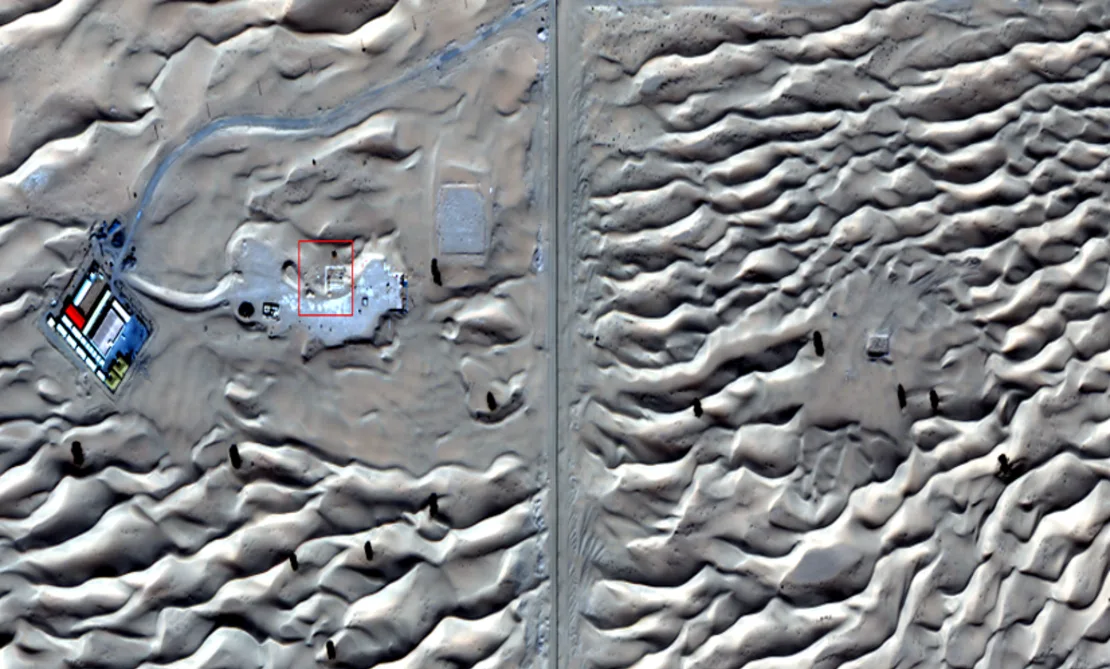
A satellite image of the Saruq Al-Hadid site shows the western area that was excavated (right) and the eastern area that has not yet been excavated.
Source: Khalifa University
However, a team of researchers from Khalifa University has gone a step further and developed a machine learning algorithm to study images captured by synthetic aperture radar (SAR), a satellite-based imaging technique that uses radio waves to find objects hidden beneath the surface, such as vegetation, ice, sand, and more.
The algorithm was trained using data from Saruq Al-Hadid, a desert settlement outside Dubai that shows signs of 5,000 years of activity and is already well-known to archaeologists.
Once the algorithm was trained, it pointed the team to other potential sites nearby that had not yet been excavated.
The technology is accurate to within 50 centimeters and can create 3D models of the expected structure, which will give archaeologists a better idea of what is buried underground. This innovative approach could revolutionize archaeological research in remote and inaccessible areas.






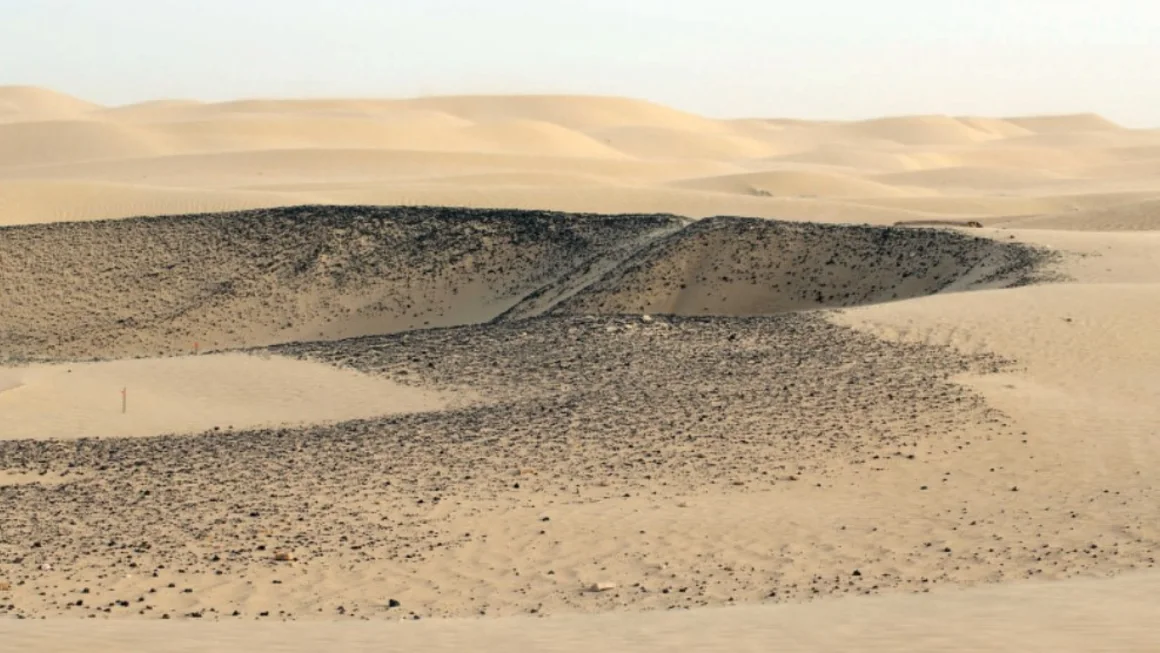
The central sector of Saruq Al-Hadid, showing the dark surface layer of copper slag that distinguishes the site from the surrounding desert landscape.
Source: Weeks et al.
"The team of scientists, along with the government organization Dubai Culture, conducted a ground survey using ground penetrating radar that "replicated what the satellite measured from space," said atmospheric scientist and one of the project's lead researchers, Diana Francis.
Dubai Culture also plans to excavate the newly discovered areas. Scientists hope that this technology will be able to uncover more hidden archaeological treasures in the future.
The research team plans to continue training the machine learning algorithm to improve its accuracy before expanding its use to other areas, including Saudi Arabia, Egypt, and the deserts of Africa.
Only verified information is available on our Telegram channel OBOZ.UA and Viber. Do not fall for fakes!

 Subscribe
 Subscribe