











Archaeologists discover the oldest known rune stone in the world


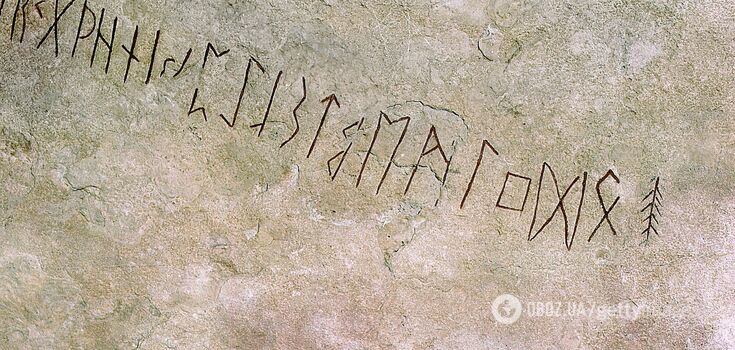
A team of researchers from the University of Oslo has discovered fragments of rune stones over 2000 years old in an ancient cemetery in Svingerud, Norway. The discovery dates back to 50 BC and 275 AD.
Archaeologists found that these fragments fit together like a puzzle, revealing runic inscriptions and ambiguous markings on what was once a larger slab of sandstone. Scientists were able to date the rune stone using radiocarbon methods, News Week reports.
Runes are letters of the alphabet used to write Germanic languages before the Latin alphabet was adopted. Their origins are debated, but the oldest of the runic alphabets was in use until about 700 AD. The development of runic writing and the practice of inscribing runes on stones is difficult to trace, especially because inscriptions on runic stones are extremely rare in original and/or dated contexts.
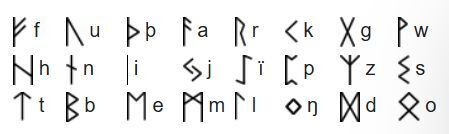
The oldest of the runic alphabets was in use until about 700 AD
Source: x.com/AntiquityJ
Typically, rune stones are dated based on other objects found nearby or stylistic analysis of inscriptions. In this case, the fragments were found in a grave with cremated human remains, which is a direct and accurate means of dating.
The researchers found that these different pieces are fragments of a single stone, but they have completely different inscriptions. This leads to the conclusion that they may have been made at different times by several people.
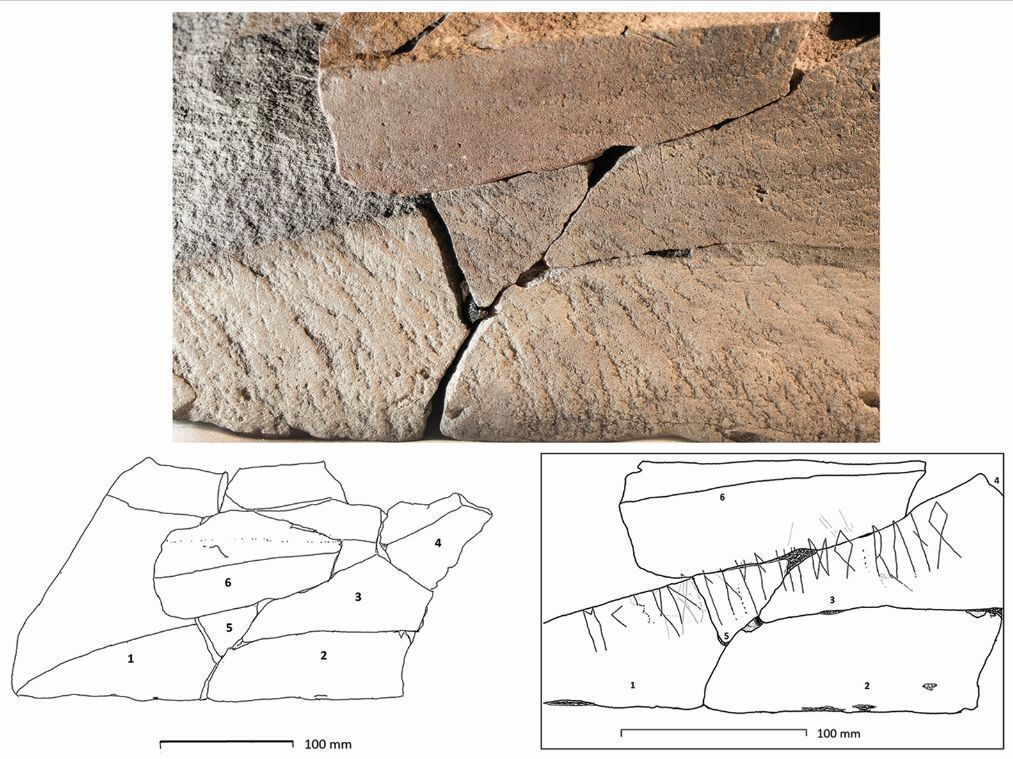
Different parts are fragments of a single stone, but they have completely different inscriptions
Source: x.com/AntiquityJ
The stone appears to have been intentionally fragmented, scattered, and incorporated into later burials. This discovery sheds light on how the use of rune stones changed over time.
Perhaps the stone was originally intended to mark a single grave but was fragmented to mark subsequent burials.
"Rune stones probably had both ceremonial and practical intentions. The grave field and the original raised stone indicate commemorative and consecrated intentions, while the subsequent use in a separate burial highlights later pragmatic and symbolic expressions," commented study author Christel Zilmer in a report published in the journal Antiquity.






According to scientists, this discovery is a rare example of runic fragments in well-preserved, dated archaeological contexts. It is of great importance for discussions about early Scandinavian rune stones and also serves as a reminder to archaeologists of the need to carefully examine stone fragments found in graves and search for potential inscriptions.
Only verified information is available on the OBOZ.UA Telegram channel and Viber. Do not fall for fakes!

 Subscribe
 Subscribe