











How not to defrost meat and fish: it can be dangerous


Meat and fish are essential products in everyone's diet. Experts advise eating meat 2-3 times a week, as well as fish. At the same time, you need to know how to cook them properly so that the products do not lose their beneficial properties.
Nutritionist Oleksandr Maksymenko shared on Instagram how not to defrost meat and fish so that they do not lose their beneficial properties.
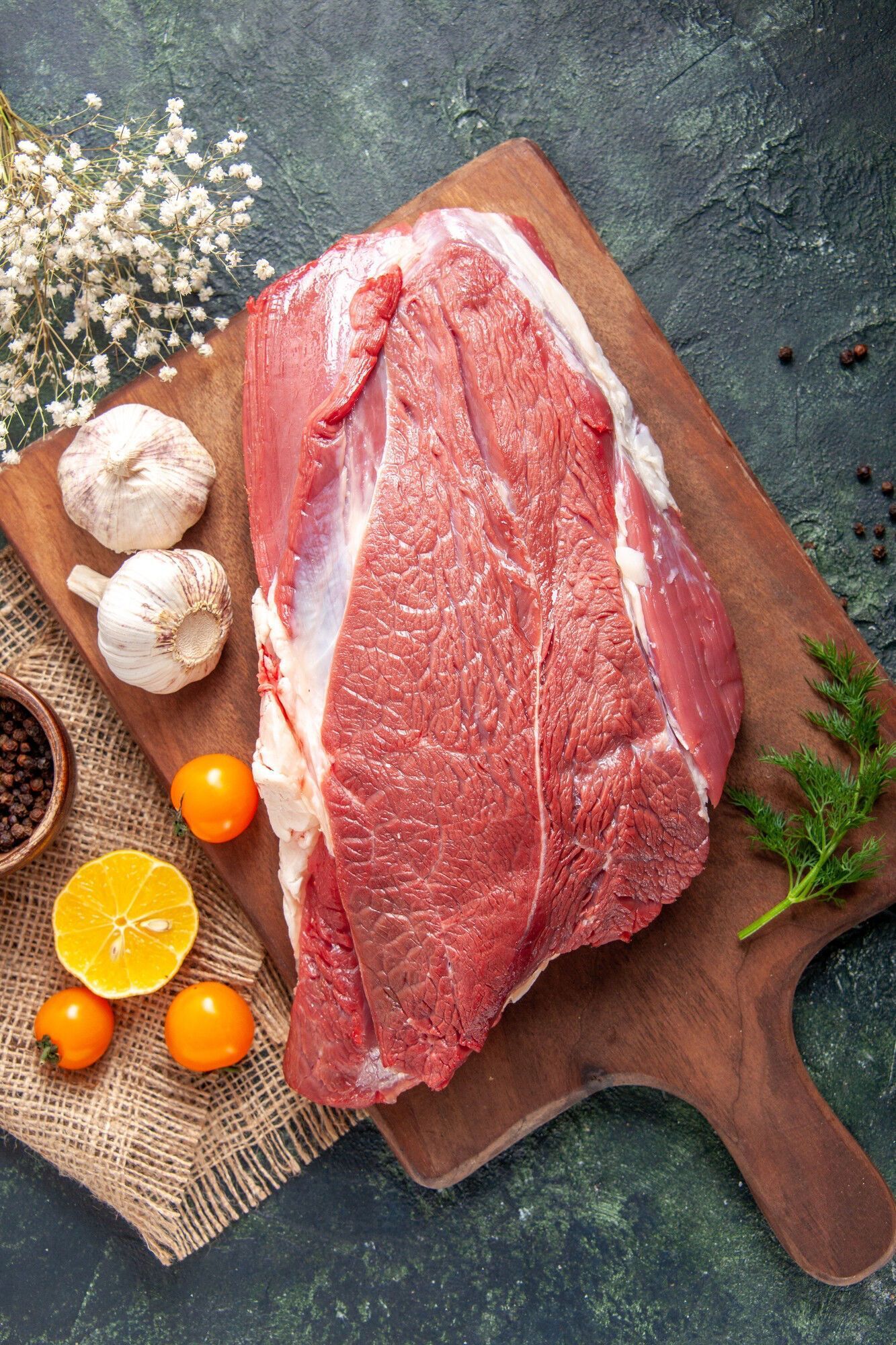
How to defrost meat correctly
Source: freepik.com
Here are the things you should never do to defrost meat and fish:
1. Defrost in hot water.
2. Do not use a microwave oven.
3. Do not use an oven or slow cooker.
4. Do not defrost meat in the open air.
Experts say that as soon as the meat reaches a temperature above 4 degrees (above the temperature of the refrigerator) during defrosting, bacteria that may have been present before freezing begin to multiply very quickly. You should know that the dangerous temperature zone for meat is from 4 to 60 degrees. Therefore, it often happens that the central part of the product has not yet thawed and is in the safe zone, and bacteria can begin to grow around the edges.
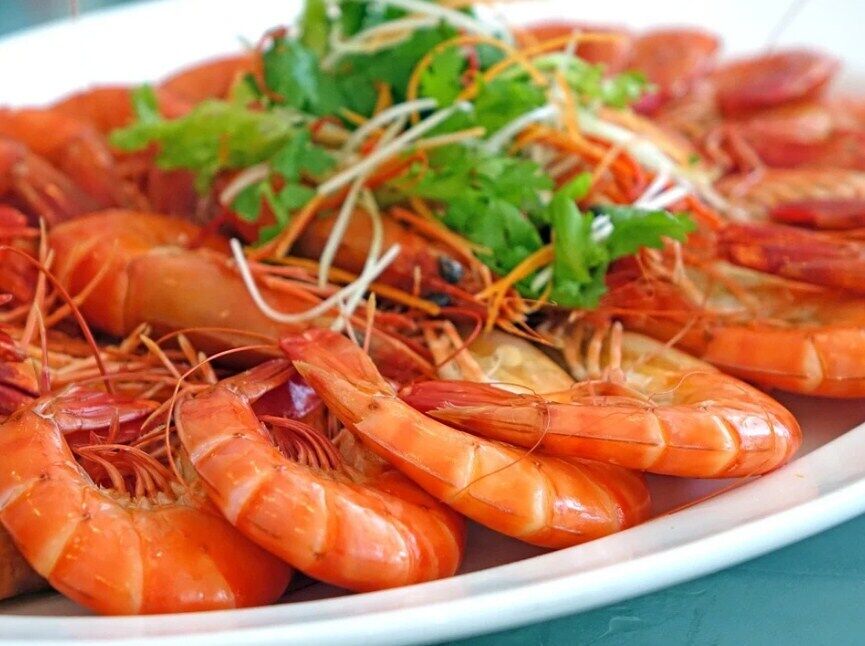
Frozen prawns
Source: freepik.com
3 safe ways to defrost:
In the refrigerator
This is the longest but safest way. Place the meat in a clean container or bowl to prevent juice from leaking out. Place the bowl of raw meat or seafood on the lowest shelf possible to prevent the juice from accidentally spilling onto other foods.
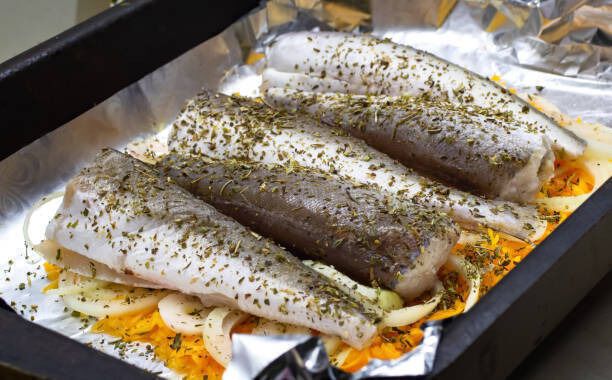
Hake recipe
Source: pexels.com
Even a small amount of frozen food - for example, 500 g of minced meat or chicken fillet - takes a whole day to defrost. And if you're defrosting a large piece (2.5 kg), it can take up to 24 hours.






In cold water
This method is much faster, but with nuances. Meat/fish/seafood should be packed in an airtight container or plastic bag. If the product is already sold in such packaging, you can simply leave it on.
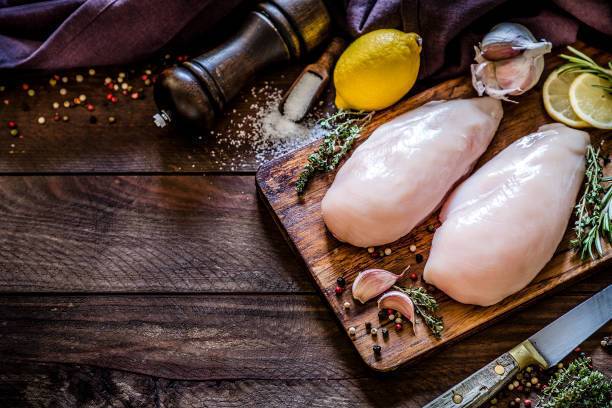
Chicken fillet for the dish
Source: pixabay.com
Under a constant stream of tap water or directly in the (sanitized) sink and in a bowl of water, changing it every 30 minutes. The sealed packaging with the product should be immersed in cold water, which should be changed until the product defrosts. The product should be completely covered with water.
A small amount of meat/fish/seafood (about half a kilogram) can defrost in an hour or less, while 1.5-2 kg can take 2-3 hours to defrost. The food should be cooked immediately and should not be re-frozen.
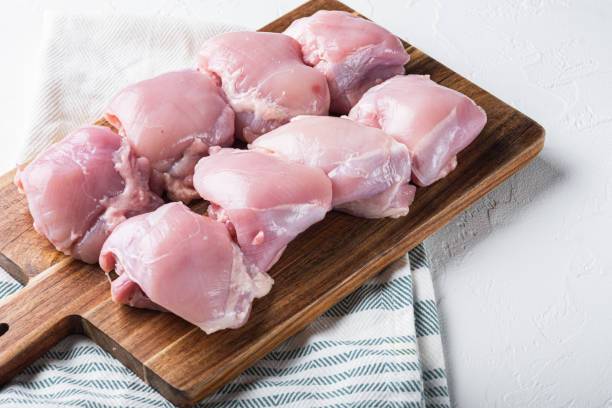
Chicken meat
Source: pixabay.com
OBOZ.UA also reported on the most harmful part of pork and why you shouldn't eat it.

 Subscribe
 Subscribe