












The shark's immaculate conception in an aquarium with females confused scientists. Photo of the baby


The baby shark Yoko was unexpectedly born in an all-female aquarium. The immaculate conception confused the staff and experts at the US aquarium.
The team of experts says that the two female sharks present in the aquarium have not been in contact with a male for more than three years. This indicates that a process called parthenogenesis, a rare form of asexual reproduction, or delayed fertilization, could have occurred, The Guardian writes.
Reproduction without the involvement of a pair occurs in birds, bees, and fleas. However, parthenogenesis has not yet been recorded in these sharks.
According to the Shreveport Aquarium, eight months ago, a group of workers noticed an egg in the female tank. And now, finally, a baby has hatched from it.
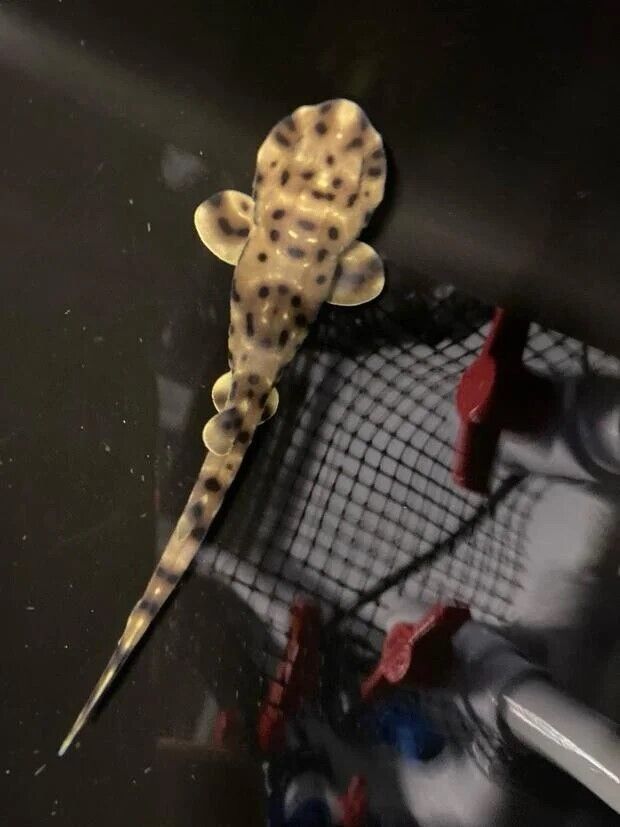
Yoko sharks have so far only reproduced in the traditional way.
Source: Shreveport Aquarium
When Yoko's baby shark grows a little older, researchers will be able to take a sample of its mouth to analyze its DNA and discover the truth about its mysterious birth.
"This situation is incredible and demonstrates the resilience of this species. We're very excited to confirm in the coming months whether this was indeed a case of parthenogenesis or delayed fertilization," said Greg Barrick, curator of animals at the Shreveport Aquarium.
Biologists at the aquarium recognize that sharks born through such reproductive processes often face serious problems. However, they hope that Yoko's cub will be fine.
If Yoko was indeed born through parthenogenesis, she will join animals such as starfish, deep-sea worms, and insects capable of such "virgin births." According to the scientists, egg-laying without mating is much rarer in vertebrates, but it has been observed in zebra sharks, sawfish, and several reptiles.
This phenomenon was also first documented in the world's largest reptiles, the Komodo dwarfs, in 2006, after babies appeared in two British zoos.






And last year, a stingray named Charlotte at an aquarium in North Carolina was found to be pregnant, despite not having had contact with a male for eight years.
Although scientists assume that vertebrates turn to parthenogenesis when there are no partners, many aspects remain unknown, including why this happens and what causes it.
Only verified information is available on the OBOZ.UA Telegram channel and Viber. Do not fall for fakes!

 Subscribe
 Subscribe