










Scientists name seafood with the biggest amount of microplastics: forget about shrimp


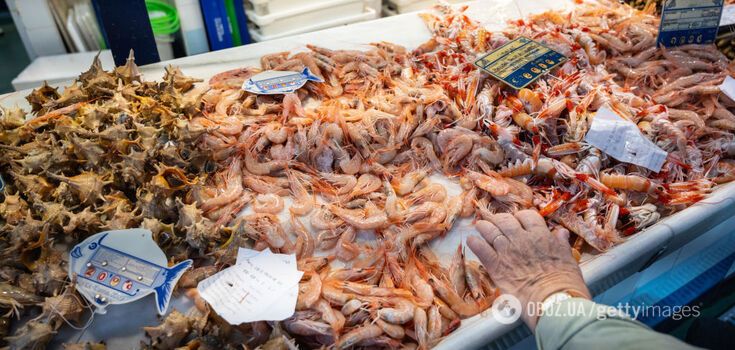
American scientists have conducted a laboratory analysis of various types of marine creatures, including herring, perch and shrimp, which are popular among consumers. The study revealed the presence of microplastics in six types of fish and seafood.
Overall, microplastics were found in 99 percent of the samples. Most of the dangerous substances were in pink shrimp, DailyMail reports.
Microplastics are plastic fragments with a diameter of less than 5 mm, invisible to the naked eye. It is associated with toxic effects on the body, such as cancer, scientists emphasize.
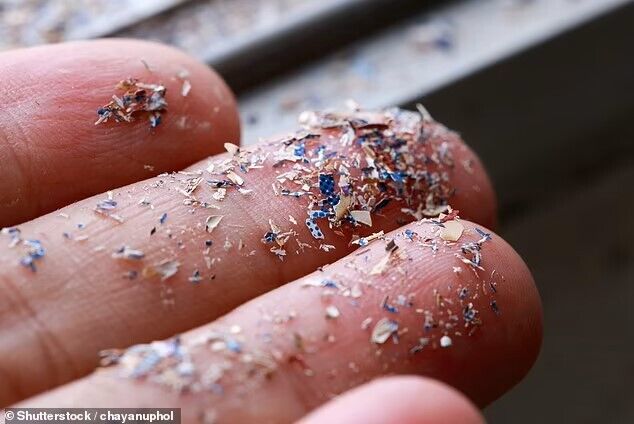
Microplastics are dangerous for the human body.
Source: Shutterstock
Scientists warn that foreign fragments are traveling "from the ocean to our kitchen table."
"It's very concerning that microfibers appear to move from the gut into other tissues such as muscle. This has wide implications for other organisms, potentially including humans too," said Professor Susanne Brander, an ecotoxicologist at the University of Oregon.
For the study, 182 fish of six species were selected - pink shrimp, pacific herring, pacific lamprey, black rockfish, lingcod, chinook salmon, and others.
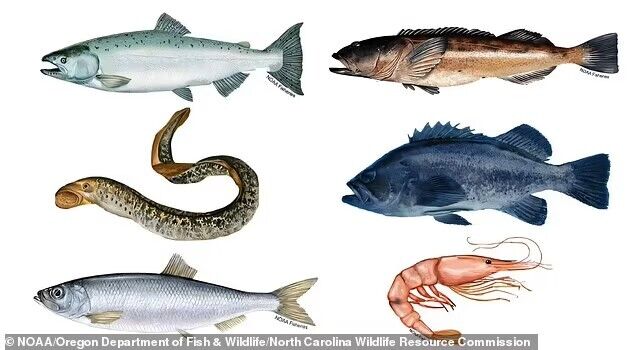
Among the seadfood studied were salmon, lingcod, black sea bass, pink shrimp, pacific herring, and pacific lamprey.
Source: NOAA
According to the scientists, laboratory testing and microscopic analysis found 1,806 suspicious particles in 99 percent of the samples.
It is known that a 2020 study found microplastics in squid, shrimp, oysters, crabs, and sardines.
Despite the findings, the researchers do not advise people to stop eating seafood. After all, in previous studies, microplastics were also found in beer, honey, milk, meat, salt, and sugar. Therefore, excluding seafood from your diet is unlikely to stop the consumption of microplastics.






According to scientists, the risks to human health associated with microplastic consumption have not yet been sufficiently studied, but they are associated with cancer and cell damage.
Only verified information is available on OBOZ.UA Telegram channel and Viber. Do not fall for fakes!

 Subscribe
 Subscribe