







18,000-year-old cannibalism traces discovered in a Polish cave. Photos


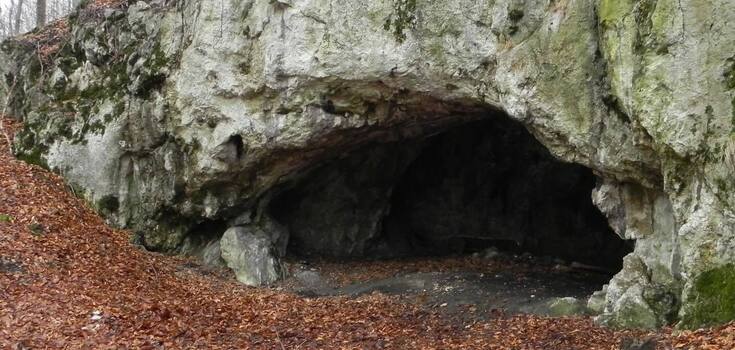
An international team of researchers led by IPHES-CERCA and CSIC has uncovered compelling evidence of cultural cannibalism among Magdalenian human communities from around 18,000 years ago. This discovery, made in the Maszycka Cave in Poland, provides new data on the funerary and ritual practices of this prehistoric period.
Scientists used an advanced 3D microscopy technique to accurately distinguish between marks made by human tools and those that could have been created by natural factors. As La Brujula Verde writes, the location of these marks completely excludes the possibility that it was a non-consumptive burial.
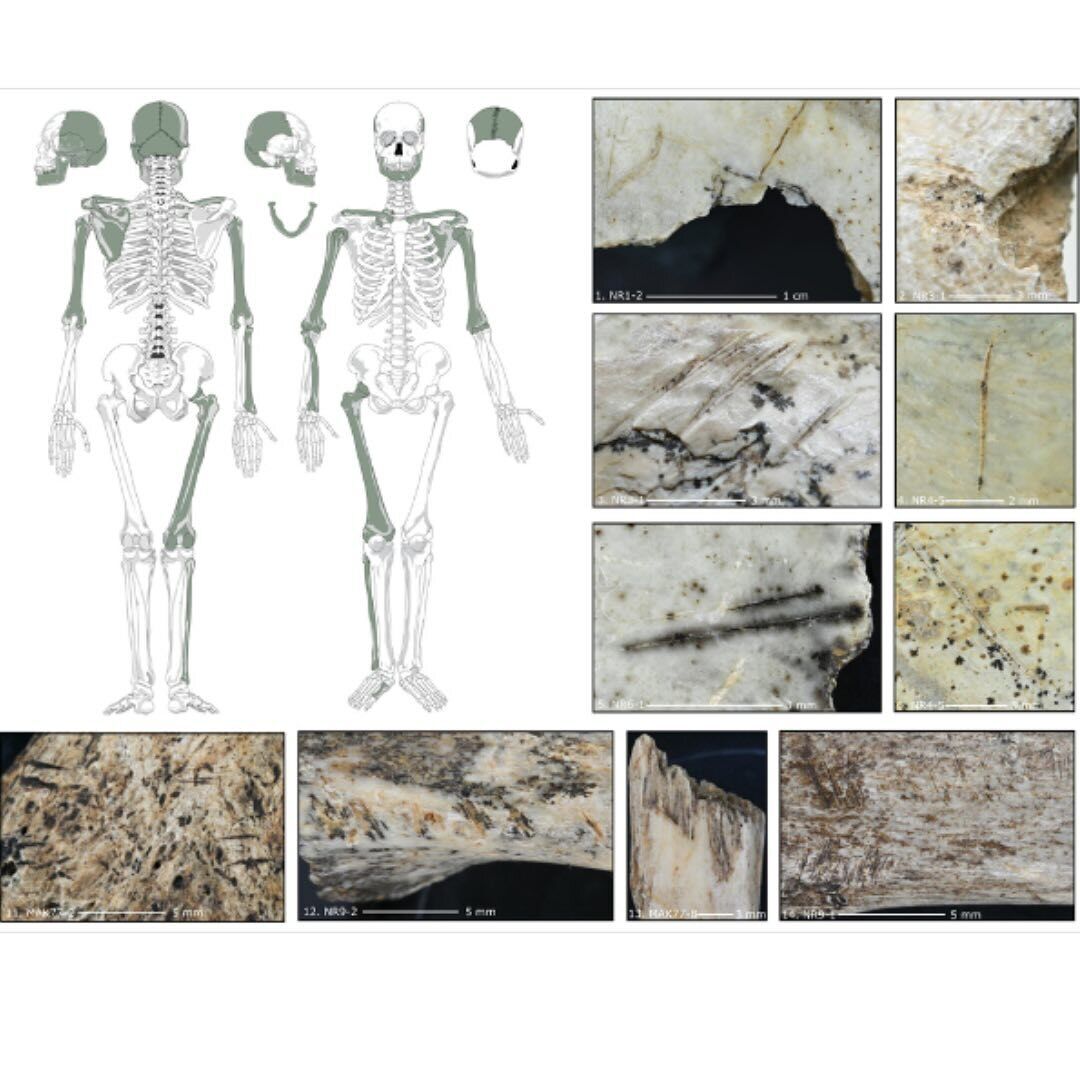
Impressions and bruises on the skeletal remains of the Maszycka cave
Source: facebook.com/iphes
Maszycka Cave is located 20 km north of Krakow in the Prądnik Valley and has been recognized as an archaeologically significant site since the 19th century. Previous studies have revealed a cluster of stone tools, animal bones, and human remains that are associated with the Magdalenian culture from about 18,000 years ago, Heritage Daily writes. However, modern methods have not yet been used to analyze the bones in detail, which has provided new and crucial information about the behavior of the inhabitants of the region during that period.
According to the researchers, the human remains show a clear pattern of processing. The skulls showed cuts associated with the removal of scalp and facial meat, as well as fractures made to access the brain, an organ with high nutritional value. At the same time, long bones such as the femur and humerus have impact fractures, a method used to extract bone marrow, a valuable source of fat and energy. The distribution and repetition of these patterns involves methodical consumption, prioritizing the nutrient-rich parts.
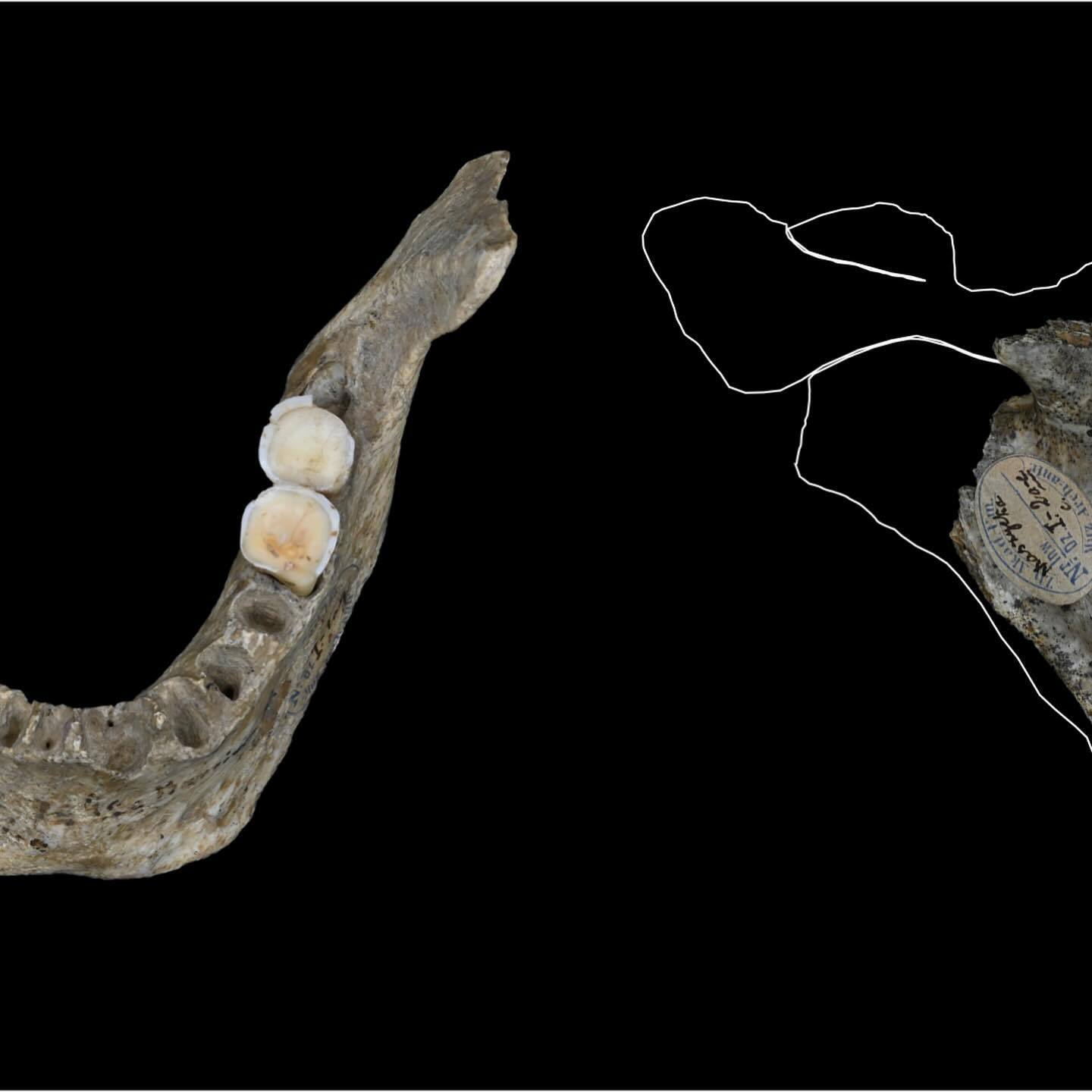
Cannibalized human remains from the Maszycka Cave
Source: facebook.com/iphes
Scientists believe that this behavior may be related to intergroup tensions and territorial conflicts characteristic of the Magdalenian period. The study suggests that population growth after the last glacial maximum may have led to increased competition for resources, leading to conflicts between groups. So, it is possible that cannibalism was practiced as a form of violence against enemies – what is known as military cannibalism.






Currently, there are five archaeological sites in Europe with clear evidence of cannibalism in the Magdalenic period, indicating that this practice was not an isolated event, but rather part of the culture of these groups, whether it was the consumption of their own dead or captured enemies.
Only verified information is available on the OBOZ.UA Telegram channel and Viber. Do not fall for fakes!

 Subscribe
 Subscribe