







What the first female programmers were called in the USSR: you will be surprised



In the modern world, IT is synonymous with prestige and high salaries. And in the USSR, women programmers even had a rather specific nickname. The first computers began to appear in the USSR around the 1950s, when the profession of a programmer was born.
The first nuclear power plant in Obninsk laid the foundation for the development of the new industry. It was put into operation in June 1954, and a mathematical department, consisting mainly of girls, was created to service technical issues. OBOZ.UA tells how women programmers were derogatorily called in the Soviet era.
Programmers performed extremely complex mental work - they made numerous calculations, derived formulas, and solved equations. They worked independently, but passed the data to each other, which made it possible to accelerate the pace of work several times.
The programmers performed calculations on electromechanical computers "Rheinmetal" and "Mercedes". These young women were indeed the first specialists in the field of programming in the USSR.
However, in the early 50s, there was no name for this profession yet; formally, women were employees of the mathematics department. But the people had a rather peculiar nickname for them: on the street, they could be called "messy-haired girls".
The situation was interesting and quite typical for small towns. Young, beautiful scientists, graduates of Moscow courses and institutes, appeared in provincial Obninsk. At that time, the "babette" hairstyle, or, as it was popularly called, the "nest" or "beehive," was gaining popularity.
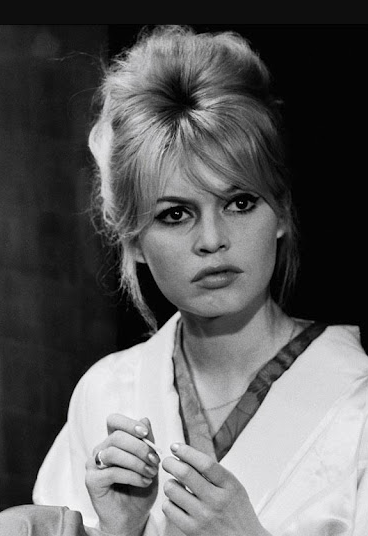
The hairstyle trend was set by Brigitte Bardot.
Source: Image from open sources
It was based on combing: strands of hair were lifted to the crown of the head and styled in a lush, dense roller, on which other strands were attached. This created the effect of attractive negligence - strands could be knocked out of the hairstyle. The fashion for the "babette" was introduced by world actresses Bridget Bordeaux and Audrey Hepburn.





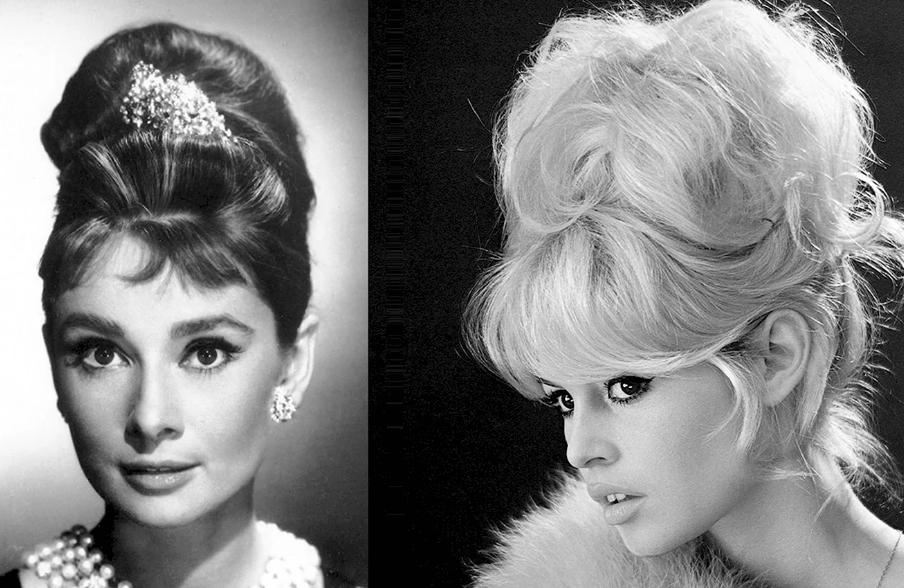
Babette hairstyle.
Source: Image from open sources
Soviet women of the older generation were more accustomed to wearing their hair in tight, smooth hairstyles or even wearing a headscarf. The new fashion surprised them. Young female programmers began to be called "messy-haired" behind their backs, and evidence of this can be found in the memoirs of eminent academics.
Babette styling took so much time that after it, girls could not wash or comb their hair for several days, which is why they received the corresponding nickname. Over time, the trend became a thing of the past, and with it, the first nickname of Soviet programmers.
Subscribe to OBOZ.UA's Telegram and Viber channels to keep up with the latest developments.

 Subscribe
 Subscribe