








Saturn ejected a comet from the solar system at a speed of 10,800 km/h: where is the space object heading now


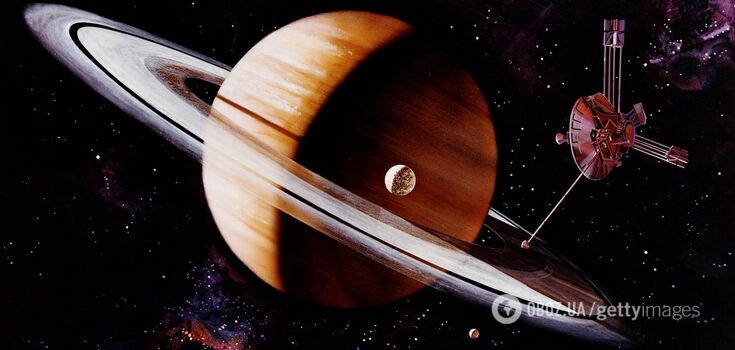
Scientists have discovered a comet that was ejected from our solar system by Saturn due to its gravitational influence. After the push, this space object, called Comet A117uUD, flies into interstellar space at a speed of 10,800 kilometers per hour.
Scientists emphasize that this is a unique phenomenon that will allow us to better understand the dynamics of interplanetary objects and the interaction of planets with comets. Scientists will continue to observe A117uUD to collect more data on its orbit and composition, Space.com reports.
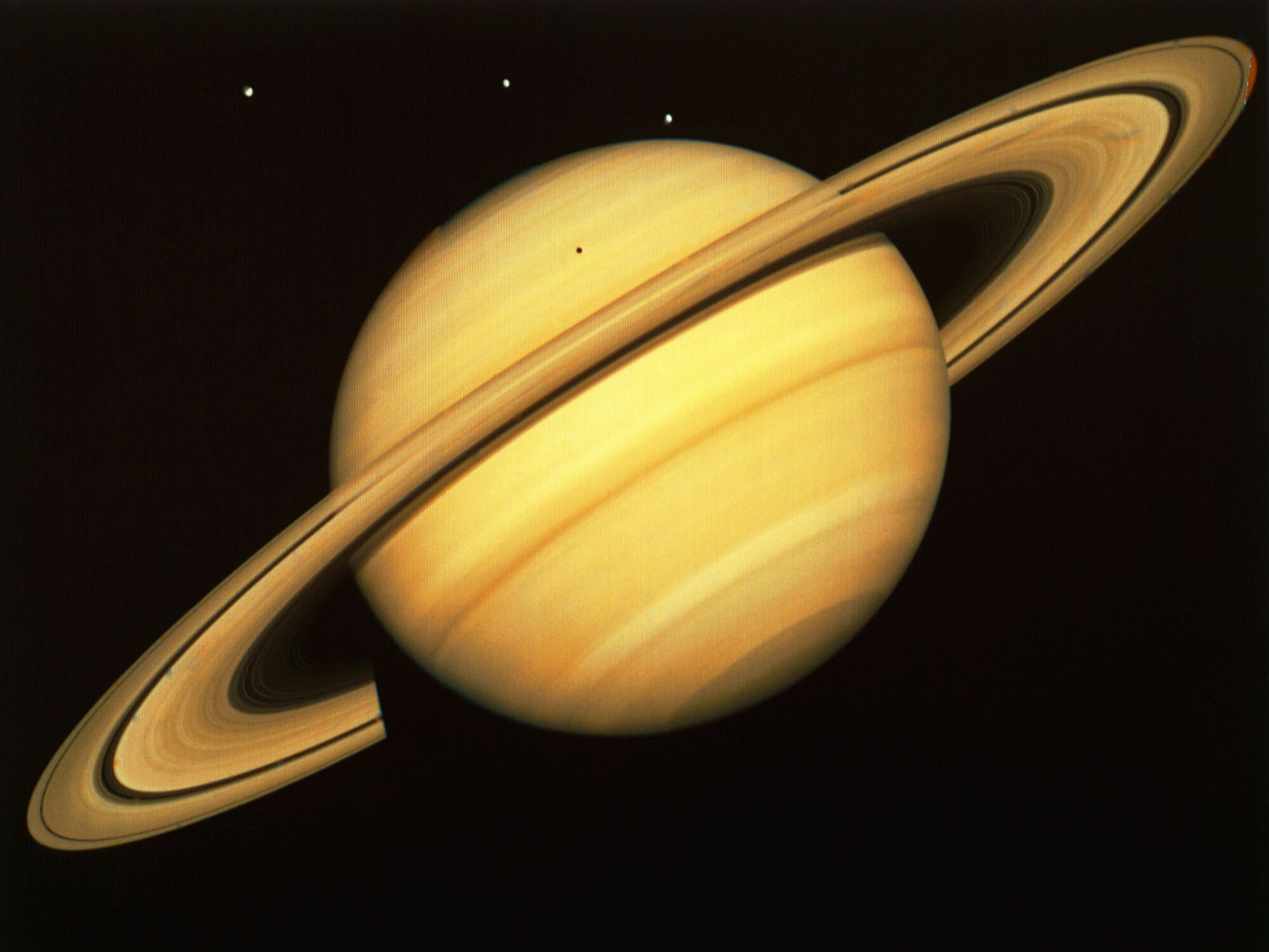
Saturn's gravitational field allowed to push away a foreign space object.
Source: Getty
The encounter with Saturn put the comet into a very flattened or elliptical orbit, which will throw it into interstellar space beyond the influence of the sun. Using models to rapidly rewind the path of A117uUD, the team of scientists found that the comet will leave the solar system at a speed of approximately 10800 km/h. This is about four and a half times the maximum speed of an F-16 jet fighter.
This is the second comet that researchers have seen in the process of launching from the solar system. The first was comet C/1980 E1 (Bowell), which was put on a path away from the solar system due to a meeting with Jupiter on December 9, 1980.
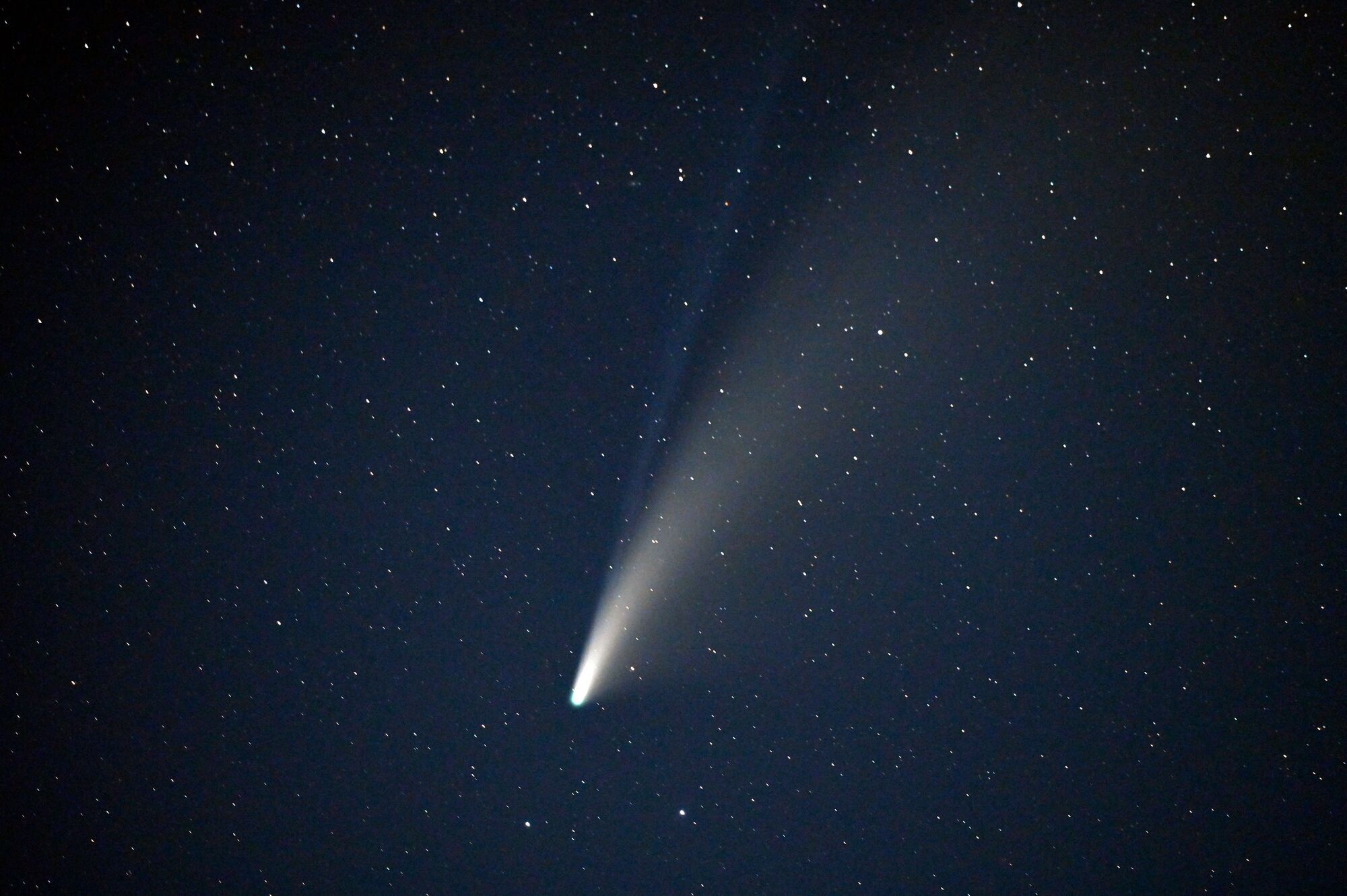
Comet A117uUD was detected by the Asteroid Impactor Last Alert System (ATLAS).
Source: Getty






"Our results show that the case of Comet A117uUD is similar to Comet C/1980 E1. The fact that two ejections after collisions with planets were observed in less than 45 years suggests that such events are relatively frequent," the research team notes.
Only verified information is available on the OBOZ.UA Telegram channel and Viber. Do not fall for fakes!

 Subscribe
 Subscribe