











How to protect children from overheating during classes in the heat: the main rules


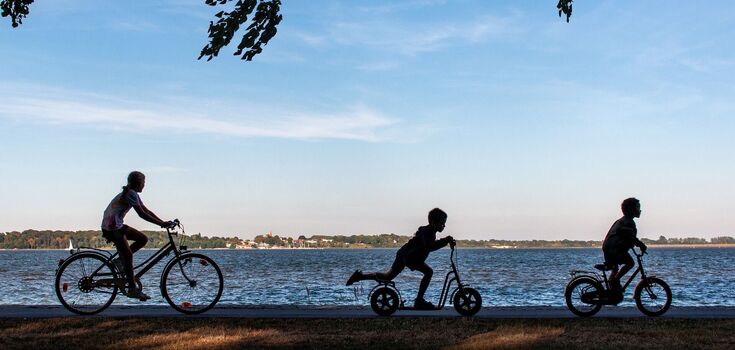
If your children continue to play sports this summer despite the heat, you need to be aware of the risk of heat and sunstroke. Activity can be more dangerous on hot days with high humidity, while dry air does not have such a negative impact on thermoregulation.
Normally, the body cools down through sweating and heat generation through the skin. But when the temperature and humidity are high, it is much more difficult for the body to get rid of excess heat generated during physical activity. OBOZ.UA tells you what symptoms parents should pay attention to and how to protect young athletes.
Sunstroke and heat stroke
The Center for Public Health of the Ministry of Health of Ukraine defines sunstroke as a pathological condition when there is a disruption of brain function due to prolonged exposure to sunlight on the head.
Heat stroke is a form of hyperthermia when the body temperature rises sharply due to environmental exposure.
Sunstroke is considered a type of heat stroke. Heat stroke differs from sunstroke in that it affects the entire body, not just the head.
According to the Centers for Disease Control and Prevention in the United States, the warning signs are
- redness of the skin, numbness or tingling sensation in the skin;
- fever;
- rapid or deeper breathing than usual;
- prolonged absence of urination;
- atypical fatigue, muscle pain, or even cramps;
- nausea, vomiting;
- headache;
- dizziness, confusion;
- loss of consciousness.
How to protect children playing sports in the summer
The child should always drink water: before, during, and after training. Too sweet drinks should be avoided, and teenagers should avoid caffeine.
Choose high-quality sportswear that does not interfere with the natural process of thermoregulation. Take care of a hat that will not interfere, as well as an SPF product that is safe for children's skin.
Try to give your child time to adapt. "Increasing activity should be done over several weeks, not days, as it takes more than a few weeks for young athletes to get fit," Dr. Tracy Zaslow, a board-certified pediatrician and pediatric sports medicine specialist at the Curlan-Jobe Cedars-Sinai Institute in Los Angeles, USA, told Yahoo Life.






Balance the time spent outdoors and indoors. If your child is practicing in the heat, suggest that he or she rest in an air-conditioned room or the shade afterward. Add breaks in the process if you can.
Make sure your child has had a good night's sleep and is feeling well before training.
What to do if something goes wrong
If you notice symptoms of overheating in your child, move them to a cool place or at least the shade. Help them take off or loosen their sportswear/other clothing. Give your child something to drink. If the symptoms are minor, it is better to call a doctor for additional advice; if the situation is worse, call an ambulance immediately.
Only verified information is available on the OBOZ.UA Telegram channel and Viber. Do not fall for fakes!

 Subscribe
 Subscribe