











These rare photos show what it's really like to live on the International Space Station


In 2030, SpaceX is set to lift the International Space Station (ISS) out of orbit and safely destroy it when it reaches the end of its useful life. To preserve the history of this unique spaceport, archaeologists have decided to scrutinize it.
Experts have asked astronauts to regularly photograph everything aboard the ISS to learn how humans have used their small, enclosed space. This data will not only preserve valuable space culture, but will also help engineers design even more comfortable future space stations, Inverse writes.
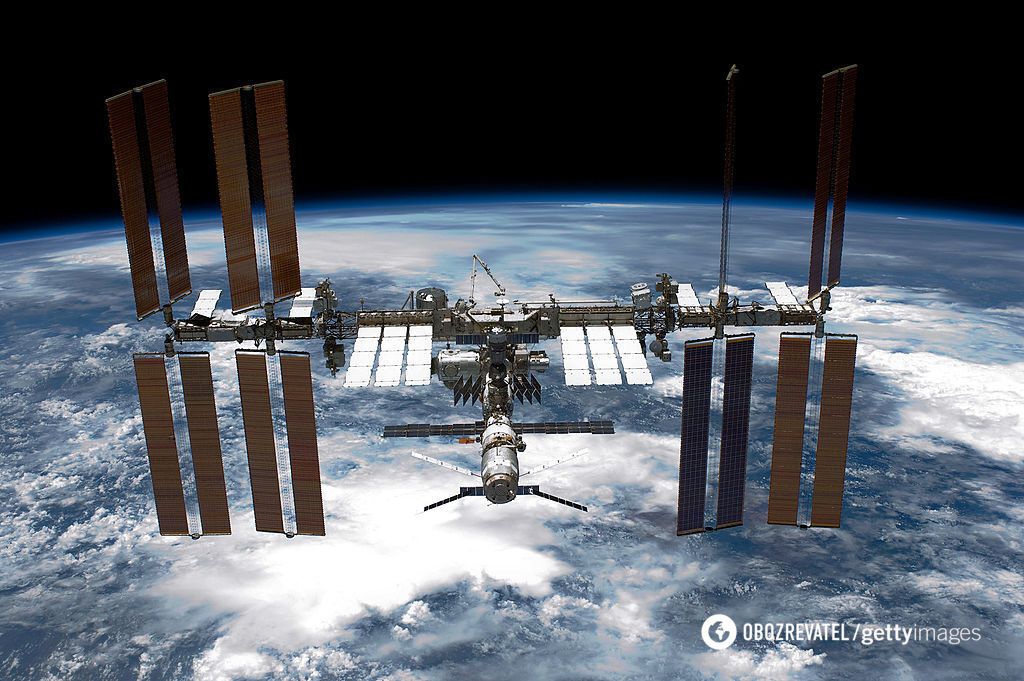
In 2030, the International Space Station will be destroyed.
Source: Getty
In its nearly thirty-year history, the International Space Station has been home to some 300 astronauts from 22 countries, living and working there for anywhere from a few days to a year.
Scientists led by Flinders University archaeologist Alice Gorman and Chapman University archaeologist Justin Walsh are trying to study the culture of the ISS and its crews before it all burns up in outer space. According to Walsh and his colleagues, the station is a micro-society with its own culture, its own traditions, its own etiquette, fads and habits.
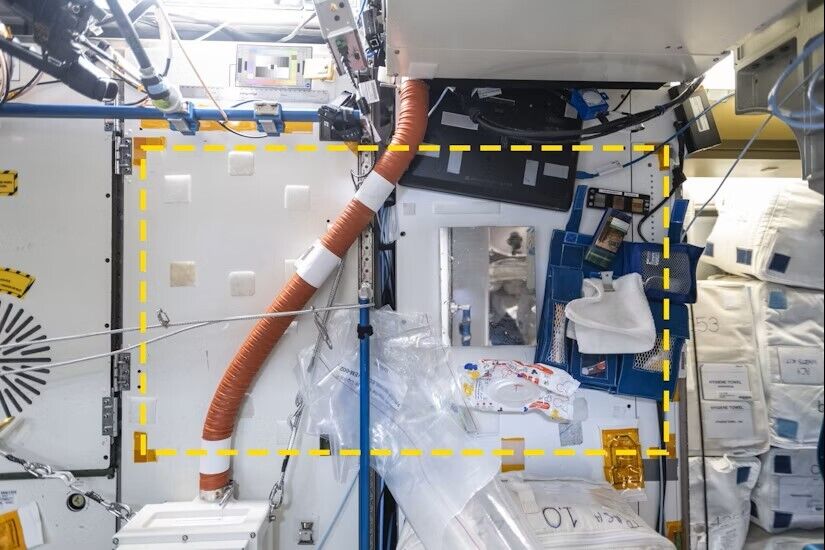
Using photographs, researchers explore life on the ISS.
Source: NASA/ ISS Archaeology Project
To see the specifics of life on the ISS, researchers asked astronauts to regularly photograph six square sections of ISS walls and surfaces to learn how people on the station used and adapted to their space.
Justin Walsh and his colleagues studied the photos to keep track of what items people used and stored in different places. This provided insight into how astronauts lived and worked in different parts of the station.
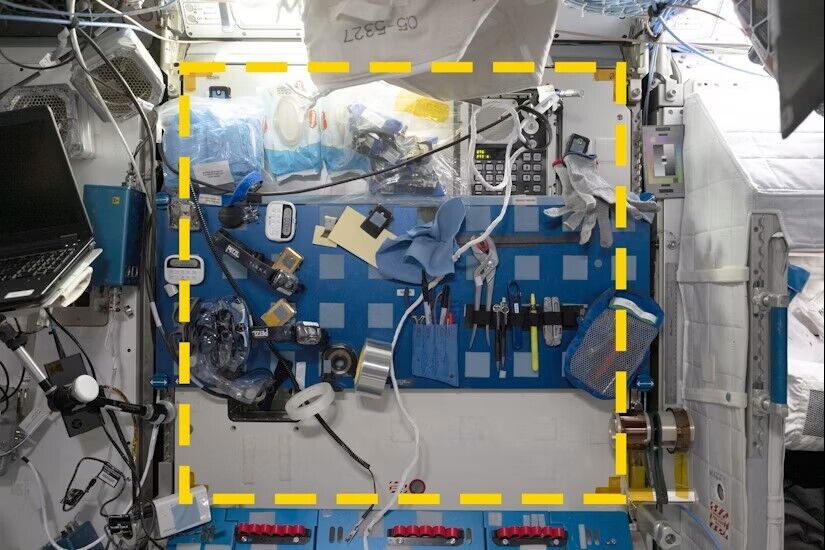
Archaeologists asked astronauts to photograph six square sections of walls and surfaces aboard the ISS.
Source: NASA/ICS Archaeology Project






For researchers, each quadrat aboard the ISS is like a "test pit" that archaeologists dig to sample layers of soil and artifacts at a site on Earth. Scientists say a photo every day is the equivalent of a new layer of dirt and artifacts, showing what people did in that space over a period of time.
The team of experts said their work will also help in building more advanced and comfortable future space stations.
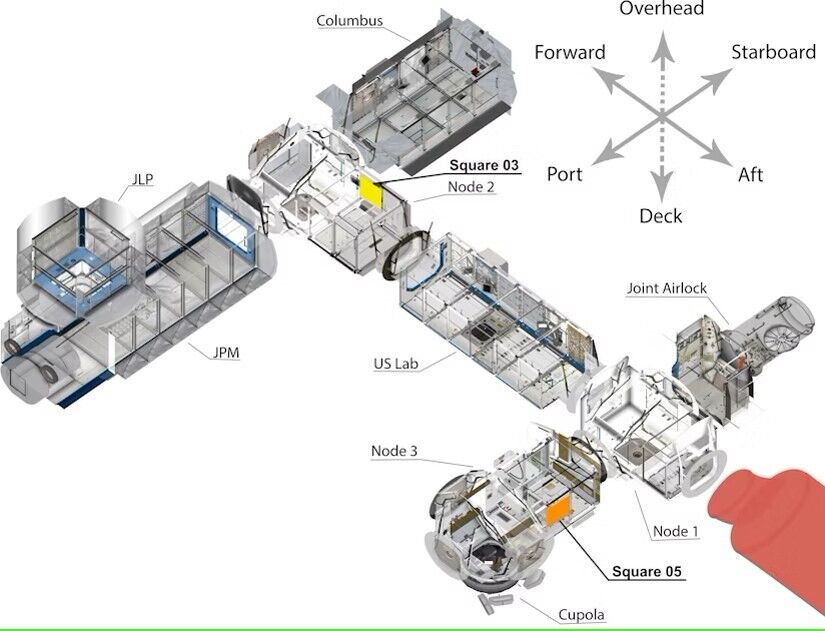
The ISS is the size of a soccer field.
Source: NASA/ICS Archaeology Project
According to archaeologists, people are most interested in the ISS space where the astronauts spent the most time.
"Apparently the galley is what people want to know the most about," Walsh said. After all, crew members spend most of their time in their country's modules.
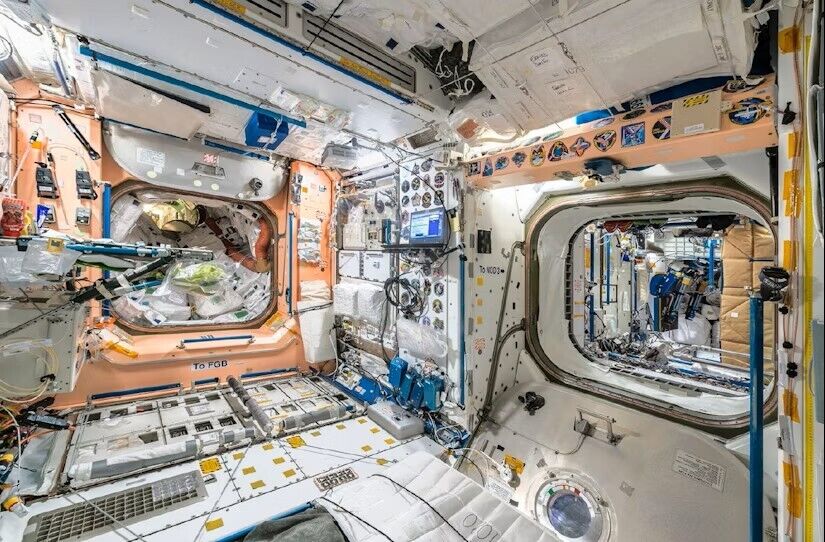
American, European and Japanese crew modules are different from Russian ones.
Source: NASA/ICC Archaeology Project
Researchers tell us that a study of personal spaces in different countries has uncovered some interesting facts. For example, in American, European and Japanese modules, crews tend to decorate common areas with mission patches, name tags and photos of former crew members. In the Russian module, however, there are many icons and photos of Russian political leaders hanging on the walls, as well as a photo of the first person to have been in space, Yuri Gagarin, in a place of honor.

There are many icons and crosses on the walls of the Russian module.
Source: NASA/ICC Archaeology Project
Interestingly, Russian cosmonauts are almost always centered in their modules, where crew members from other countries were rarely seen.
Archaeologist Justin Walsh calls all these details important. "It's like your refrigerator door with your kids' drawings or vacation photos that you put in there. It's who we feel we are and what we reinforce key elements of our identity with. People in space remain people," the scientist summarized.
Only verified information from us in Telegram-channel OBOZ.UA and Viber. Do not fall for fakes!

 Subscribe
 Subscribe