











In Turkey, archaeologists found a 3500-year-old clay tablet, which turned out to be a shopping list. Photo


Archaeologists in Turkey unearthed a small 3500-year-old tablet. Having deciphered the inscriptions, scientists were surprised, because on the ancient find - a shopping list.
On a clay tablet XV century BC in detail described what and how much furniture to buy. Among the listed - wooden tables, chairs and stools, writes LiveScience.
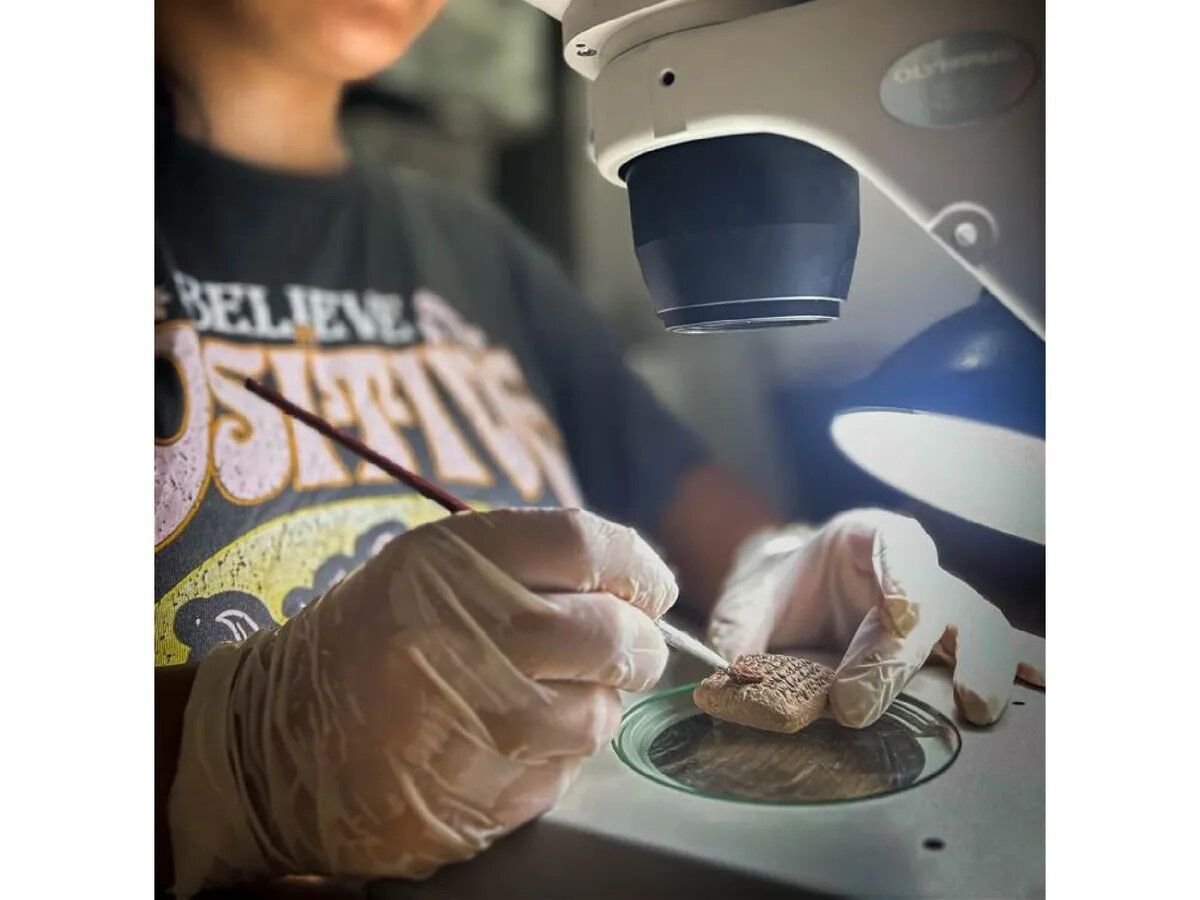
Researchers have deciphered that the ancient tablet is a shopping list for a "large amount" of furniture.
Source: Turkish Ministry of Culture and Tourism
Scientists have yet to find out who wrote the tablet. However, experts say the find could provide clues on the socio-economic condition of the area during the Late Bronze Age. "This tablet is useful for understanding the economic structure and state system of the Late Bronze Age," Turkish Culture and Tourism Minister Mehmet Ersoy said.
According to the researchers, the furniture list contains Akkadian cuneiform, a logos-composite form of writing common in the ancient Near East. Akkadian, now thought to be extinct, is one of the oldest known Semitic languages, spoken and written from the 3rd millennium B.C. to the first century A.D. The language is related to Arabic and Hebrew. It was used over a vast territory, from Iran to Egypt and southern Iraq to central Turkey.
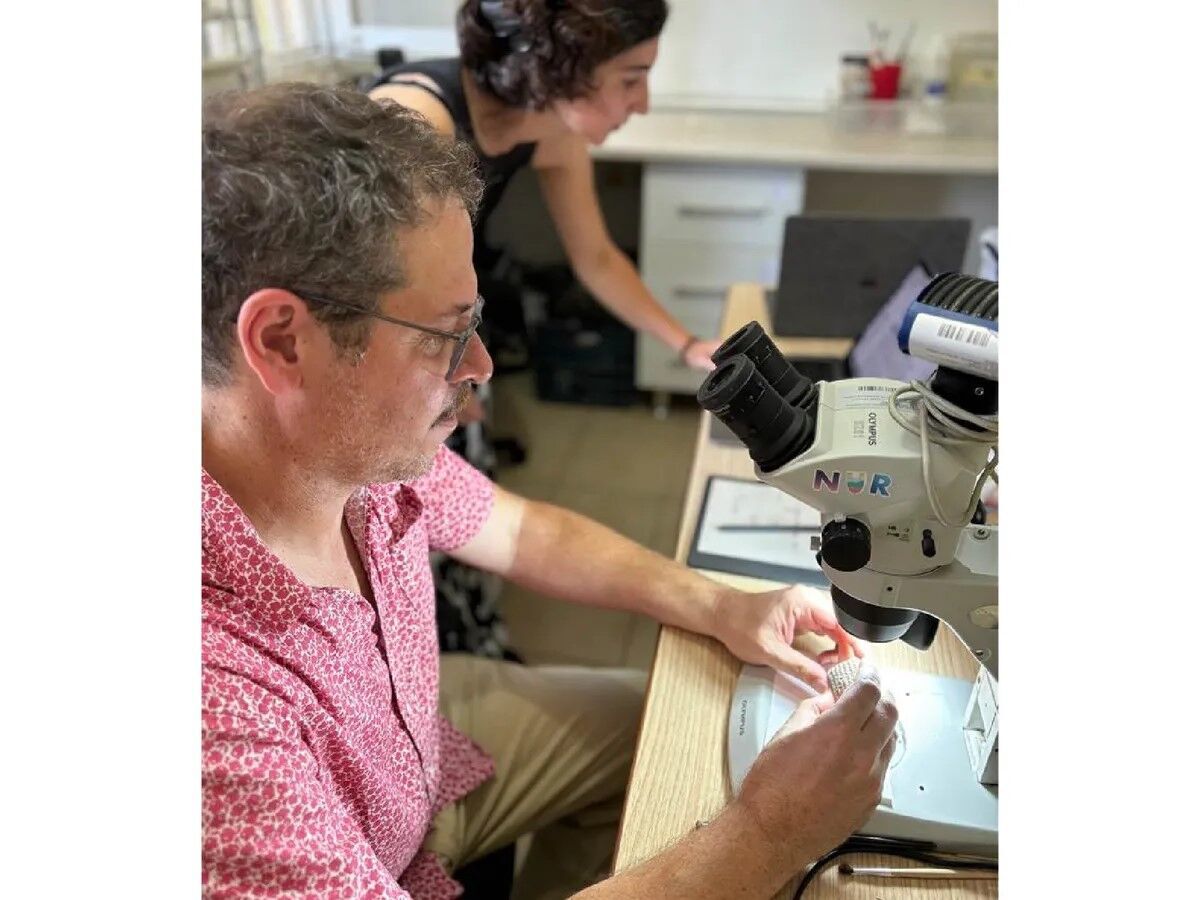
The artifact found has inscriptions in the Akkadian language.
Source: Turkish Ministry of Culture and Tourism
A clay tablet was found during restoration work after an earthquake hit the Old City of Alalakh in the Reyhanli district of Hatay.
According to historians, in the 2nd millennium BC, Alalakh was the capital of the Mukish kingdom and the greatest settlement in the region. In the 15th century BC, the city of Alalakh belonged to the Mittani Empire. The region was known for the local production of pottery, metal and glass. By 1350 BC, King Shattiwaza of the Mittani kingdom ceded Alalakh and the territory west of the Euphrates River to the Hittite king Suppilulium.






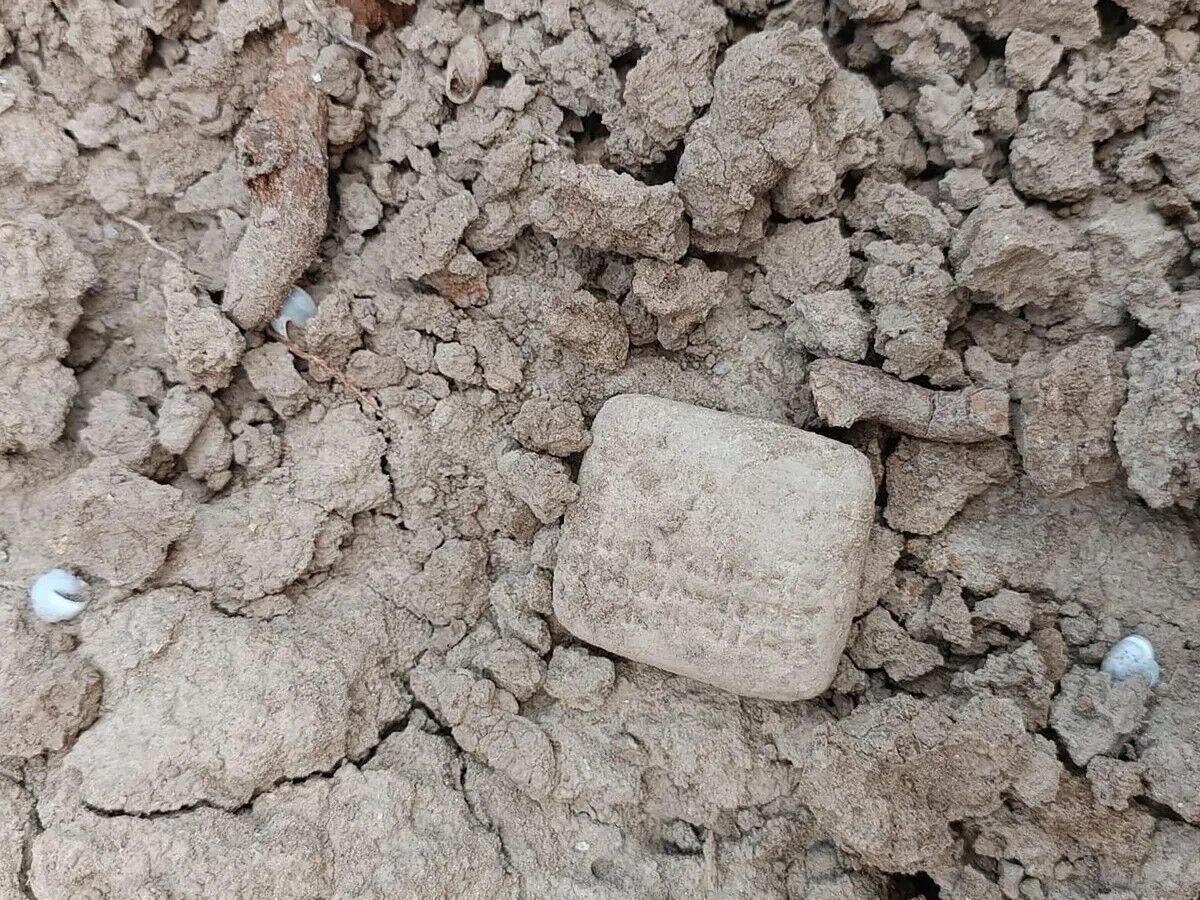
An interesting find discovered after an earthquake in Turkey
Source: Turkish Ministry of Culture and Tourism
Archaeologists are studying tablets and other antiquities found here to understand the social dynamics of the region.
Only verified information from us in Telegram-channel OBOZ.UA and Viber. Do not fall for fakes!

 Subscribe
 Subscribe